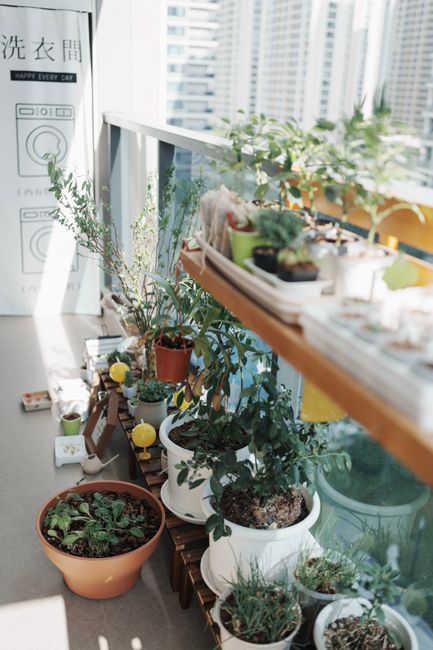
Common problems with small yard gardeners in Waterloo terraces
If you live in a Waterloo terrace, you already know the charm and the challenge. The yard may be tiny, shaded, awkwardly shaped, or split across steps, walls, and narrow access points. That is exactly why the common problems with small yard gardeners in Waterloo terraces can feel so frustrating: there is very little room for error, and every choice shows up immediately. One overgrown corner, one soggy patch, one badly placed planter, and suddenly the whole space feels harder to use.
In practice, small-yard gardening in a terraced setting is less about having "less to do" and more about making the right decisions with limited space. This guide breaks down the most frequent issues, why they happen, and what actually helps. You will also find practical steps, a checklist, a comparison table, and sensible pointers on maintenance, access, and longer-term garden planning. No fluff. Just the stuff that matters when you are trying to make a small outdoor space work properly.
Table of Contents
- Why Common problems with small yard gardeners in Waterloo terraces Matters
- How Common problems with small yard gardeners in Waterloo terraces Works
- Key Benefits and Practical Advantages
- Who This Is For and When It Makes Sense
- Step-by-Step Guidance
- Expert Tips for Better Results
- Common Mistakes to Avoid
- Tools, Resources and Recommendations
- Law, Compliance, Standards, or Best Practice
- Options, Methods, or Comparison Table
- Case Study or Real-World Example
- Practical Checklist
- Conclusion
- Frequently Asked Questions
Why Common problems with small yard gardeners in Waterloo terraces Matters
Small terraced yards look simple from the street. They rarely are. The real issue is that a compact space magnifies every weakness: poor drainage becomes obvious after one heavy shower, clutter makes the yard feel even smaller, and a plant that grows too quickly can dominate the whole area by midsummer. If you are living with a terrace garden in Waterloo, those problems are not abstract. You see them every time you open the back door.
There is also the practical side. A small yard often has to do several jobs at once: somewhere to sit, somewhere for pots, maybe a line for washing, maybe a path to a shed or rear gate. If the layout is off, the garden stops being useful and starts becoming a chore. That is why the most common problems with small yard gardeners in Waterloo terraces are not just aesthetic issues. They affect comfort, safety, time, and how much you actually use the space.
To be fair, this is where many people get stuck. They focus on what the garden should look like, rather than what it needs to do. A tiny yard can be attractive, but it also has to cope with shade from nearby buildings, root pressure from surrounding planting, and limited storage for tools and materials. Miss those realities, and the same little yard becomes a monthly headache.
For households thinking about a refresh, a broader service view can help you plan the garden as a system rather than a patchwork of fixes. Pages like services overview and landscape gardening are useful starting points if you want to understand how maintenance, layout, and construction-style improvements fit together.
How Common problems with small yard gardeners in Waterloo terraces Works
Small yard gardening in terraced homes usually runs into the same handful of constraints. The first is access. Many Waterloo terraces have narrow side passages, rear lanes, shared access, or awkward steps. That affects everything from carrying compost to removing waste. The second is light. Tall neighbouring buildings can leave one part of the yard bright and another part damp or gloomy, which means not every plant will thrive equally.
The third issue is balance. In a bigger garden, a hedge, tree, or deck can sit comfortably in a larger composition. In a tiny yard, the same feature can overwhelm the space. A few square metres disappear fast when you add a storage box, a seating set, a border, and a raised bed. Suddenly there is nowhere to move. You know the feeling: the yard looks "busy" before it even looks finished.
Then there is the maintenance cycle. Small gardens often need more frequent attention, not less. Lawn edges, container watering, pruning, moss control, and leaf clearance can all pile up quickly. If you leave things for a month or two, the yard can go from tidy to tangled in what feels like a blink. That is why regular garden maintenance is often more effective than occasional big clear-outs.
In many terrace gardens, the work also has to be done around neighbours. Noise, mess, waste placement, and timing all matter. A good gardener does not just cut and tidy; they plan around the site. If a hedge needs shaping, for example, the job is not only about trimming. It is about where the clippings will go, how the space will be protected, and whether the result still leaves room for light.
Key Benefits and Practical Advantages
Once the common problems are identified and handled properly, even a small yard can become surprisingly useful. The benefits are not theoretical. They show up in day-to-day life.
- Better usable space: A clear layout makes the garden feel larger and easier to move through.
- Lower ongoing effort: Good planting choices and tidy structure reduce the amount of constant correction needed.
- Improved drainage and cleanliness: Solving waterlogging and waste build-up makes the yard safer and less slippery.
- More light and openness: Sensible pruning, reduced clutter, and smarter planting can make a terrace garden feel brighter.
- Stronger visual impact: A small space can actually look more polished than a larger one because every detail is deliberate.
There is a big confidence boost too. When a yard is organised properly, people use it more. A compact bench suddenly gets used. A patio corner turns into a coffee spot. A narrow strip becomes a planting feature instead of a dead zone. Truth be told, a lot of people only need a small nudge to start enjoying the garden again.
If your current problem is mostly overgrowth, the most direct route may be a combination of tidy-up work and ongoing upkeep. Services such as lawn mowing, hedge trimming, and even garden clearance can remove the "too much" feeling fast, which is often the first step before any redesign.
Who This Is For and When It Makes Sense
This topic matters most if you are dealing with one of these situations:
- You have a small rear yard attached to a Waterloo terrace and it feels crowded or underused.
- You want a low-maintenance setup but do not know what to remove, keep, or replace.
- The yard gets little sun and plant choice has been frustrating.
- You are dealing with drainage issues, moss, or slippery paving.
- You want the space to work for children, pets, entertaining, or quiet sitting.
- You are preparing a property for sale, letting, or just a long-overdue reset.
It also makes sense when the garden has become one of those "I'll sort it later" spaces. Let's face it, many terrace yards slowly turn into storage with a few plants around the edges. Nothing dramatic happens. It just gets busier, then darker, then harder to face. That is usually the point where a structured approach pays off most.
For homeowners who want to improve structure rather than simply tidy the surface, it can help to look at landscaping or more design-led landscape gardening. Those services are especially useful where the garden needs a proper plan, not just a quick cut-back.
Step-by-Step Guidance
If you want to deal with small-yard problems properly, a logical sequence saves time and avoids rework. The goal is not to do everything at once. It is to tackle the right problems in the right order.
- Assess the space honestly. Stand in the yard and look at what blocks light, movement, and access. Notice where water sits after rain, where dirt collects, and which corners are never used.
- Clear out the non-essentials. Remove broken pots, unused furniture, dead plants, and random storage that has drifted outside. Small spaces do not forgive clutter.
- Check the surface and drainage. Loose paving, uneven steps, or standing water can turn a tiny yard into a hazard. These are practical faults, not just cosmetic ones.
- Decide what the space should do. Seating? Planting? Play area? Storage? A small yard usually works best when it has one clear main purpose and one or two supporting functions.
- Choose planting by conditions, not by wish list. Shade, wind exposure, and wall reflections affect plant health. Pick species that suit the site rather than fighting it.
- Keep structure simple. One raised bed, one seating area, and a clean path often work better than trying to squeeze in five ideas.
- Set a maintenance rhythm. Small jobs done often beat one big panic clean-up every few months.
That sequence might sound basic, but it is usually where the real progress comes from. Too many terrace gardens are redesigned before they are properly understood. Then the same problems come back, only in a nicer planter. Which, to be fair, is still a problem.
If waste, rubble, or old planting needs removing before a redesign, garden clearance can give you a clean starting point. And if you are looking at a more substantial refresh, the broader planning advice on services overview is worth a look before you commit to any changes.
Expert Tips for Better Results
Here is where small-yard work tends to improve most. The difference is often in the details rather than the size of the budget.
Use height carefully. Vertical planting, trellis work, and wall planters can be brilliant in a terrace garden, but they need discipline. If everything goes upwards at once, the yard can feel boxed in. One vertical feature is often enough.
Respect the light pattern. A yard that gets morning light may not suit the same plants as one that gets late afternoon sun. Watch the space for a couple of days if you can. A rainy Tuesday at 4pm tells you more than a neat plant label ever will.
Keep the centre open. Many of the best small gardens leave breathing room in the middle and concentrate features around the edges. That simple move makes a tiny yard feel more generous.
Think in layers, not lots of objects. A floor surface, a planting layer, and one focal layer are usually enough. More than that, and the yard starts to feel overworked.
Plan for maintenance before buying anything. If you choose fast-growing plants, they will need cutting back. If you choose decorative gravel, it will need weed control. If you choose timber, it may need treatment and checking. Every material has a job later on, not just on installation day.
One small practical note: a neat edge often does more for a terrace garden than another pot ever could. It is oddly satisfying. A crisp edge, a clear line, and suddenly the whole place looks intentional.
Common Mistakes to Avoid
Small yards expose mistakes quickly. That is a blessing in disguise, because you can usually correct them before they become expensive.
- Using too many plant types. A mixed, busy border can look nice in a large garden, but in a small yard it often becomes visual noise.
- Ignoring access. If a gardener cannot get tools, waste, or materials in and out easily, the job becomes slower and messier.
- Choosing high-maintenance features without thinking ahead. Fancy planting schemes are lovely until they need weekly attention.
- Blocking light with overgrown trees or hedging. In a terrace garden, light is precious. Losing it changes the whole feel of the space.
- Adding storage before sorting layout. Storage is useful, yes, but it should not swallow the garden.
- Leaving drainage problems unresolved. Covering a problem with decking or pots does not fix it. It just hides it for a while.
There is also the classic mistake of making the yard "pretty" while making it harder to use. It sounds obvious, but it happens all the time. A garden can look finished and still be awkward, cramped, and annoying. You sit in it once, then stop. Not ideal.
In some cases, the answer is not more plants but a better hardscape balance. For example, a small paved area or a simple deck can create a usable zone where the ground is uneven or damp. That is where decking services can become a practical option rather than a style choice.
Tools, Resources and Recommendations
You do not need a shed full of gear to manage a small yard well. In fact, too many tools can create more mess. A tight, useful kit works best.
- Hand pruners and secateurs for regular trimming and deadheading.
- A lightweight rake for leaves, debris, and surface tidying.
- A compact watering can or hose setup that suits the yard's access.
- Weed tools for joints, borders, and awkward corners.
- A measuring tape if you are planning furniture, beds, or paving changes.
- Heavy-duty bags or bins for clippings and clearance waste.
For larger jobs, the right support matters more than owning every tool yourself. Many small-yard owners are better off calling on a regular garden maintenance arrangement than trying to manage everything in bursts. That is especially true where hedges, trees, or mature shrubs need more technical handling.
If the garden includes tall or awkward woody growth, tree lopping and removal may be needed, but only where it is genuinely appropriate and safe. A good approach is to get the work assessed properly rather than assume it is just a quick cut-and-go job. Small spaces tend to magnify the risk if pruning is done badly.
And because waste handling matters in small urban gardens, it is worth thinking about disposal and reuse too. The page on recycling and sustainability is relevant if you want to keep garden waste and materials management sensible rather than wasteful.
Law, Compliance, Standards, or Best Practice
For most terrace garden work, the main compliance question is not "Can I plant here?" but "Can I do this safely, accessibly, and without creating a nuisance or hazard?" In the UK, small garden work can still involve practical duties around safe tool use, responsible waste handling, and care near boundaries, walls, or shared access.
If you are hiring a gardener or landscaping team, sensible best practice is to check that they work with proper insurance, follow clear safety procedures, and communicate what the job includes. That is simply good housekeeping. It also reduces disputes when the site is tight or the work involves ladders, cutting equipment, or uneven surfaces. If you want to understand the approach a provider should take, the pages on insurance and safety and health and safety policy are useful trust markers.
For customer confidence, it also helps if pricing and scope are clear before the job starts. A small yard can look simple from a distance and still need more labour than expected once access and waste are factored in. That is why transparent quoting matters. The page on pricing and quotes is relevant if you want to know how a provider approaches that conversation.
Finally, if you are choosing a company, basic trust pages matter more than people often think. An about page, terms, complaints process, and payment information all help you judge whether the business is organised. You do not need a long investigation, just enough to feel comfortable. For that, about us, terms and conditions, complaints procedure, and payment and security are the kind of pages that build confidence in a straightforward way.
Options, Methods, or Comparison Table
Not every small yard needs the same approach. Here is a simple comparison that may help you decide what fits best.
| Approach | Best for | Pros | Trade-offs |
|---|---|---|---|
| Basic tidy-and-maintain | Yards that are basically sound but messy | Fast, affordable, easy to repeat | Does not solve deeper layout or drainage issues |
| Targeted clearance and reset | Overgrown or cluttered terrace gardens | Creates a clean starting point | Needs follow-up maintenance to stay tidy |
| Soft redesign | Spaces that need better planting and structure | Improves appearance and usability | Can still feel limited if access or surfaces are poor |
| Full landscaping refresh | Problem gardens with multiple issues | Best for long-term function and finish | More planning, more disruption, higher cost |
In many Waterloo terraces, the best answer is a mix. For example, a yard might need clearance first, then maintenance, then a small amount of landscaping. Not glamorous, maybe. But it works.
Case Study or Real-World Example
Imagine a narrow rear yard behind a terrace near Waterloo: a patch of tired paving, a few overgrown shrubs, a corner that never dries properly, and a rusty storage box taking up half the useful space. The owner wants somewhere to sit with a coffee in the morning, plus a bit of planting, but every time they try to move things around, the yard feels even smaller.
The first step is not adding more features. It is stripping the space back. Dead plant material comes out. The old clutter goes. The overgrown hedge is reduced so more light reaches the yard. The drainage issue is looked at before any decorative work begins. Then the owner chooses a simple layout: one clear seating area, one planting strip, and one vertical feature against the wall.
It is not a dramatic transformation in the magazine sense. No fireworks. But it changes how the garden feels at 8am with a mug in hand, and that is the point. The space becomes usable again. You can hear the difference too: less scraping around, less rustling mess, less "where do I put this?" energy. A small yard does not need to impress everyone. It just needs to work for the people who live there.
Practical Checklist
Use this quick checklist before you start a project or book work in a small terrace yard:
- Measure the space properly, including awkward corners and access routes.
- Check where the sun falls at different times of day.
- Look for standing water, uneven paving, or slippery areas.
- Remove clutter, dead plants, and broken containers first.
- Decide the main purpose of the garden before buying anything new.
- Keep the layout simple and leave room to move.
- Choose plants that suit shade, wind, and maintenance levels.
- Plan waste removal and recycling before the work begins.
- Make sure any contractor has clear scope, pricing, and safety information.
- Set a routine for ongoing trimming, mowing, or clearing.
Expert summary: Small terrace yards in Waterloo are won or lost on planning. Keep the layout lean, solve practical faults early, and do not let decoration outrun function. That is the sweet spot, really.
Conclusion
The common problems with small yard gardeners in Waterloo terraces usually come down to the same thing: limited space has to work too hard. It has to look good, drain properly, stay manageable, and feel pleasant to use. When any one of those pieces slips, the whole garden can feel awkward. But when the space is cleared, simplified, and matched to the real conditions of the site, the results can be excellent.
There is no need to overcomplicate it. Start with the problems that affect daily use, then move outward into planting, structure, and long-term maintenance. A small yard can be one of the nicest parts of a terrace home when it is handled with a bit of care and restraint. Honestly, that restraint is often the secret.
Get a free quote today and see how much you can save.
And if you are at the point where the garden has been bothering you for too long, that is a perfectly good moment to act. Small spaces reward clear decisions, not endless postponing. A calm little yard is closer than it looks.
Frequently Asked Questions
What are the most common problems with small yard gardeners in Waterloo terraces?
The most common issues are poor access, limited light, clutter, drainage problems, overgrown planting, and layouts that make the space feel smaller than it is. In terrace homes, those issues tend to overlap, which is why a small fix can make a big difference.
Why do small terrace gardens need more maintenance than people expect?
Because everything is concentrated in a small area. Weeds show faster, hedges spread into the available space more quickly, and a little mess becomes noticeable straight away. That is why regular maintenance often works better than occasional heavy work.
How do I make a tiny yard in Waterloo feel bigger?
Keep the centre open, reduce visual clutter, use a limited plant palette, and avoid oversized furniture. Light surfaces, tidy borders, and one or two clear focal points usually help more than adding extra items.
What should I do first if my small yard is completely overgrown?
Start with clearance. Remove dead growth, rubbish, broken containers, and anything that blocks movement. Once you can see the shape of the space again, it is much easier to decide what should stay and what should go.
Are decking or paving better for a small terrace yard?
It depends on the site. Decking can help if the ground is uneven or you want a clean usable surface, while paving can be better where durability and drainage are priorities. The best choice depends on access, maintenance, and the current condition of the yard.
How do I know if my small garden has a drainage problem?
Look for water sitting on the surface after rainfall, mossy patches, soft ground, or areas that stay damp much longer than the rest. If the issue repeats, it is worth addressing before adding new planting or hard landscaping.
Can a small yard still support trees or large shrubs?
Sometimes, yes, but only if the species, root behaviour, and mature size are appropriate for the space. In many terrace gardens, smaller structural plants or carefully managed hedging are a safer long-term choice.
What kind of maintenance schedule works best for terrace gardens?
Short, regular visits usually work best. Think trimming, tidying, watering, and checking for weeds before they build up. For many small yards, a lighter monthly or fortnightly routine is easier to keep than a major seasonal reset.
How much should I budget for small yard gardening work?
It varies a lot depending on access, clearance needs, the state of the site, and whether you need maintenance or full landscaping. A proper quote is the best way to understand the likely cost, because a small yard can still involve a fair bit of labour.
Do I need a professional gardener for a small terrace garden?
Not always. If the space is simple and you enjoy garden care, you may manage it yourself. But if there are access issues, overgrowth, drainage concerns, or a design that never seems to work, professional help can save a lot of time and frustration.
What is the biggest mistake people make with small Waterloo yards?
Trying to do too much at once. Too many plants, too much furniture, too many features. A small yard usually improves when you strip it back, simplify it, and make each part earn its place.
When should I consider landscaping rather than just maintenance?
If the garden keeps failing because of layout, surfaces, or structure, maintenance alone may not be enough. That is usually the point where landscaping or landscape gardening becomes the smarter long-term option.