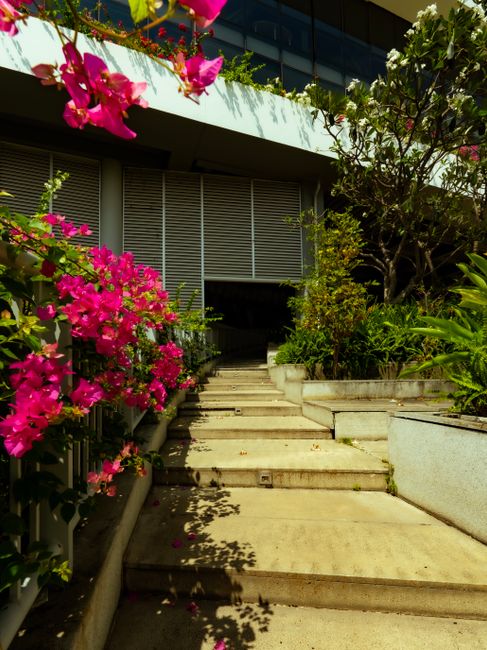
Southbank Waterloo garden clearance and gardeners for SE1 terraces

If you live in a compact SE1 terrace, you already know the story: one windy week, a bit of shade, a few forgotten pots, and suddenly the garden looks less like a retreat and more like a storage corner with soil in it. That is exactly where Southbank Waterloo garden clearance and gardeners for SE1 terraces becomes useful. Whether you need a one-off tidy-up, regular maintenance, or a smarter long-term plan for a small urban garden, the right help can make a cramped outdoor space feel calm again. And yes, even a tiny terrace can look properly good with the right care.
This guide explains what garden clearance and gardening support involve in Southbank and Waterloo, how the process usually works, what to expect, what to avoid, and how to choose practical services for SE1 homes without wasting money or time.
Expert summary: For SE1 terraces, the best results usually come from combining clearance, light maintenance, and a realistic planting plan. Clear first, simplify second, then build a routine that fits the space you actually have.
- Why it matters in Southbank Waterloo
- How the process works
- Key benefits and practical advantages
- Who this is for
- Step-by-step guidance
- Expert tips for better results
- Common mistakes to avoid
- Tools, resources and recommendations
- Law, compliance and best practice
- Options and comparison table
- Case study
- Practical checklist
- Frequently asked questions
Why Southbank Waterloo garden clearance and gardeners for SE1 terraces Matters
Terrace gardens in SE1 often face the same pressures. Space is limited. Access can be awkward. Neighbours are close. Shade from taller buildings can slow growth, while pockets of sun can dry out containers fast. Add fallen leaves, self-seeded plants, old compost bags, broken pots, or a hedge that has quietly taken over, and a small garden can slip out of hand before you notice.
That is why clearance and gardening support matter here more than in a bigger suburban plot. A Southbank or Waterloo terrace is usually not a place for heavy-handed overworking. It needs tidy, measured, sensible care. You want a space that is easy to use, easy to maintain, and still feels like part of the home. Not a jungle. Not a showroom. Something in between, which is usually the sweet spot.
There is also a practical side. In urban gardens, clutter builds up fast, and once it does, it tends to stay. A half-dismantled planter, an old trellis, some piled weeds, and you lose the whole atmosphere. Garden clearance restores the baseline. After that, gardeners can actually maintain the place instead of constantly fighting it.
If you are planning broader improvements after the tidy-up, it can help to look at the wider services overview so you can see how clearance, maintenance, and landscaping fit together in a sensible sequence.
How Southbank Waterloo garden clearance and gardeners for SE1 terraces Works
In practical terms, garden clearance means removing unwanted growth, dead material, loose waste, and anything that is making the garden harder to use. For a terrace, that often includes overgrown borders, weeds between paving, dead annuals, brambles, leaves, ivy that has wandered too far, or general accumulated mess from a long season of neglect.
Gardeners then step in to shape the space. That might mean pruning, cutting back, lawn care, hedge trimming, replanting, feeding, mulching, and setting up a maintenance routine that stops the same problem coming back in three weeks. To be fair, that second part is where many people really feel the difference.
A good service usually starts with a quick look at access, waste volume, the condition of the planting, and what you want the garden to become. Some customers want a full reset. Others only want enough clearance to enjoy the terrace again and maybe get the barbecue out without stepping over compost bags. Both are valid.
For more regular upkeep after a clearance, many people pair a tidy-up with garden maintenance, especially where small spaces need consistent attention rather than occasional rescue work.
Typical stages of the work
- Assessment: The space is checked for overgrowth, waste, access issues, and the level of work needed.
- Clearance: Unwanted material is removed, cut back, gathered, and bagged or loaded for disposal.
- Selective pruning and shaping: Healthy plants are kept, but trimmed so they do not crowd paths, windows, or seating areas.
- Tidy finish: Surfaces are swept, beds are neatened, and the garden is left usable.
- Maintenance planning: A routine is agreed so the garden does not go straight back to chaos. Happens all the time, let's face it.
Key Benefits and Practical Advantages
The first benefit is obvious: you get your space back. But there is more going on than just a visual improvement.
- Better use of a small footprint: In SE1 terraces, every metre counts. Removing clutter can make a patio, courtyard, or narrow strip feel noticeably larger.
- Healthier planting: Cutting back overcrowded growth improves airflow and light, which plants usually appreciate.
- Less ongoing stress: A clean starting point is far easier to maintain than a half-forgotten tangle.
- Improved safety: Loose branches, slippery leaves, and hidden trip hazards are easier to remove once the area is cleared.
- Better kerb appeal: Even a small front or rear terrace looks more cared for when it is neat and structured.
- More flexibility: Once the space is clear, you can add seating, containers, lighting, or small design features with less guesswork.
One practical example: a narrow back terrace with a few tired shrubs, a patchy lawn, and old pots tucked under a bench can look overwhelming. But after clearance, a simple path, two resilient planters, and weekly light upkeep can make it feel like a proper little room outdoors. Not flashy. Just usable. Which is usually what people really want.
If you are considering a refresh rather than just a one-off clear-out, landscaping support can help you rethink the layout so the space works better day to day.
Who This Is For and When It Makes Sense
This kind of service suits a wide mix of SE1 residents. It is not only for people with badly neglected gardens. In fact, many of the most useful jobs are small, regular interventions that stop a garden from becoming a headache.
- Busy homeowners: If you are working long hours and the garden keeps slipping down the list.
- Landlords and managing agents: If a terrace needs to look presentable between tenancies or before inspections.
- Flat owners with shared or split outdoor spaces: Especially where one section has become overgrown and awkward.
- New residents: If you have just moved into a property and inherited a garden you did not choose.
- Older residents: If bending, lifting, or waste removal has become difficult.
- People planning a sale or renovation: A clean garden makes viewings and project planning much easier.
It also makes sense when you have a specific issue, such as a hedge blocking light, a lawn that has become patchy, or a tree that needs checking for safety. For those cases, targeted services like hedge trimming, lawn mowing, or tree lopping and removal may be the more efficient route.
Sometimes the honest answer is simple: if you look out the window and wince a little, it is probably time.
Step-by-Step Guidance
If you want to approach SE1 terrace clearance properly, a methodical process works best. Rushing tends to create mess, missed waste, and accidental damage to plants you actually wanted to keep.
1. Start with a clear goal
Decide whether you want a full clearance, a tidy-up, or a longer-term redesign. These are not the same thing. If the aim is just to reclaim the space this weekend, you do not need to overcomplicate it.
2. Separate keepers from removals
Before anything is cut back, identify plants, pots, screening, or features worth retaining. A terrace garden often has a few good elements hiding among the mess. A rose in the wrong place is still a rose.
3. Check access and disposal logistics
SE1 terraces can be tight. Stairways, narrow side returns, shared entrances, and limited parking all affect how work is done. If waste needs to be carried through a property, that should be planned cleanly and safely.
4. Clear the obvious waste first
Start with dead material, loose debris, and weeds. This gives you visibility. It is surprising how much better a garden looks after the first fifteen minutes of proper clearing.
5. Shape the structure
Once the clutter is gone, you can see the bones of the garden. This is when pruning, edging, and light reshaping matter most. You want clean lines, not over-cut geometry unless that is your style.
6. Dispose of waste responsibly
Garden waste should be sorted sensibly where possible, and non-organic waste should be removed in line with local waste expectations. Reputable teams usually think about recycling and sustainability rather than just filling bags and disappearing.
If you care about the disposal side, recycling and sustainability is worth reviewing before booking a larger clearance.
7. Put a maintenance rhythm in place
This is the bit that keeps the whole thing from becoming a repeat exercise. Small terraces often need little and often rather than one heroic spring clean. A monthly or seasonal approach can work well, depending on planting and usage.
Expert Tips for Better Results
These are the details that make a real difference in small urban gardens. They are not dramatic, but they save time and make the result feel calmer.
- Do not clear everything down to bare soil unless you need to. In a terrace garden, some structure is useful even when the space is untidy.
- Keep one or two focal points. A container, a bench, or a small tree can anchor the whole space.
- Use containers with restraint. Too many pots can make a narrow terrace feel crowded, oddly enough even when the plants are lovely.
- Trim for light, not just neatness. In shaded SE1 gardens, a light-opening cut can matter more than a severe haircut.
- Choose maintenance-friendly plants. If you are often away or busy, go for resilient varieties that tolerate urban conditions.
- Plan the aftercare before the clearance. A beautiful reset without a follow-up plan usually slips backwards.
A little human truth here: the prettiest garden is not always the best garden. The best one is the one you can actually live with.
If your terrace includes timber features or you are thinking about a low-maintenance update later on, decking services can sometimes be part of a cleaner, easier-to-manage layout.
Common Mistakes to Avoid
Garden clearance sounds straightforward, but a few common mistakes can cost time, money, or healthy plants.
- Cutting before checking: Once a plant is removed, you cannot un-remove it. Obvious, yes, but it happens.
- Ignoring access problems: Narrow stairs, basement entries, and shared walkways can make waste removal trickier than expected.
- Leaving roots or cuttings behind: These soon become a second tidy-up job.
- Using the wrong level of clearance: Some gardens need light work, not a full strip-out.
- Forgetting drainage and paving: A clear garden can still feel messy if surfaces are slippery or blocked.
- Not planning ongoing care: If the garden is cleared but never maintained, weeds and self-seeding plants return fast.
Another one people underestimate: over-pruning. In a small garden, it is easy to think bigger cuts equal better control. Not always. Some shrubs need gradual shaping, especially if they provide screening or privacy.
Tools, Resources and Recommendations
For a basic SE1 terrace tidy-up, the right tools are usually simple. You do not need a van full of gadgets to make a visible improvement.
| Task | Useful tools or kit | Why it helps |
|---|---|---|
| Weed removal | Hand fork, hoe, tough gloves | Lets you remove growth cleanly without disturbing everything else |
| Cutting back shrubs | Sectateurs, loppers, hedge trimmer | Useful for shaping without damaging stems |
| Lawn tidy-up | Mower, edging tool, rake | Creates definition even in tiny lawns |
| Waste collection | Heavy-duty bags, buckets, barrow | Makes removal safer and less messy |
| Surface clean-down | Broom, stiff brush, scraper | Helps patios and paths look finished, not just cleared |
It also helps to choose a service that is transparent about pricing and next steps. For many homeowners, a quick read of pricing and quotes gives a clearer idea of what to ask for and how to compare options.
When the garden has become tangled enough that a maintenance visit would only scratch the surface, a dedicated garden clearance service is usually the smarter starting point. After that, you can move into routine upkeep with a calmer head.
Law, Compliance, Standards, or Best Practice
For most domestic terrace gardens, the main compliance concerns are practical rather than dramatic. Waste must be handled responsibly. Work should be done safely. Neighbours and shared access should be respected. Simple, but important.
Best practice in the UK usually means a few things:
- Safe working methods: Tools should be used properly, especially when cutting at height or handling sharp waste.
- Appropriate insurance: It is sensible to check that the provider has suitable cover for the work being carried out.
- Clear communication: You should know what is being removed, what is being kept, and how waste is dealt with.
- Respect for property boundaries: In tight terrace settings, a small mistake can affect a neighbour's fence, boundary planting, or pathway.
- Responsible disposal: Green waste and mixed waste should not simply be dumped or left behind.
If you are comparing providers, looking at their insurance and safety information and health and safety policy is a sensible habit. Not glamorous reading, admittedly, but it can save headaches later.
For customers who want a clearer sense of who is behind the service, the about us page can help build confidence before a booking.
Options, Methods, or Comparison Table
Not every terrace needs the same level of intervention. The right choice depends on time, budget, and how far gone the garden is. Here is a simple comparison.
| Option | Best for | Pros | Trade-offs |
|---|---|---|---|
| Light tidy-up | Small amounts of weeds, leaves, and general untidiness | Quick, affordable, easy to repeat | Won't solve heavy overgrowth |
| Full clearance | Neglected terraces, cluttered borders, accumulated waste | Big visual reset, easier to plan next steps | More labour, more waste handling |
| Clearance plus maintenance | Busy homeowners who want long-term control | Best balance for many SE1 gardens | Requires ongoing commitment |
| Clearance plus landscaping | Spaces that need a new layout or stronger structure | Can transform how the garden functions | More planning and usually a bigger project |
In practice, many terrace owners start with the first two options and then move into a maintenance rhythm once the garden is under control. That usually makes the budget feel less painful too, which matters.
Case Study or Real-World Example
A typical SE1 terrace might have a narrow rear courtyard, a few tired pots, some climbers on a fence, and a patchy section of paving that has collected moss and leaf litter. Nothing outrageous. Just the kind of garden that slowly becomes "tomorrow's job" for several months.
In a case like that, the first visit would usually focus on the basics: remove dead growth, clear weeds from the paving, cut back overhanging plants, and dispose of bulky waste that has been getting in the way. After that, the gardener can assess what is worth keeping. Often there is a decent structure hidden underneath. A healthy shrub in the wrong place, a good climbing plant that just needs guidance, maybe a path that simply needs to be seen again.
Once the clearance is done, the space can be simplified rather than rebuilt. A couple of containers, a small seating area, and sensible edging may be enough. Nothing too fussy. The result is usually less about "wow" and more about relief. The owner can step outside, put the kettle on, and actually use the garden without thinking about a to-do list. That moment matters more than people admit.
When the space also needs reshaping, landscape gardening can help turn the cleared area into something that suits the way you live, rather than the way the garden happened to grow.
Practical Checklist
Use this before booking or starting a job. It keeps things simple.
- Decide the outcome: tidy-up, full clearance, or clearance plus maintenance.
- Walk the garden first: note problem areas, access points, and anything you want preserved.
- Check waste volume: estimate whether there is a little, a moderate amount, or a lot to remove.
- Identify priority tasks: weeds, hedge trimming, lawn work, pruning, paving clean-up.
- Think about access: stairs, side passages, shared entrances, and parking all matter.
- Ask about disposal: make sure green waste will be handled responsibly.
- Review safety and insurance: especially for larger or awkward jobs.
- Plan follow-up care: a monthly or seasonal routine often works best.
- Set the garden's purpose: relaxing, planting, entertaining, or low-maintenance living.
This is a small list, but it saves a lot of back-and-forth. And once the garden is under control, it stays under control, which is the real win.
Get a free quote today and see how much you can save.
Conclusion
Southbank Waterloo terrace gardens ask for a particular kind of care: tidy, efficient, and respectful of space. A good clearance creates breathing room. A good gardener keeps that momentum going. Together, they turn a cluttered little patch into something you can actually enjoy, whether that means morning coffee, a few herbs, or just a cleaner view out the back door.
If you are weighing up your next step, start with the simplest question: do you need a one-off reset, or do you need a plan that makes future maintenance easier? The answer usually points you in the right direction. And once the space is clear, even a modest terrace can feel surprisingly generous. That part never gets old.
Frequently Asked Questions
What does garden clearance include for SE1 terraces?
It usually includes removing weeds, dead plants, leaves, overgrowth, loose debris, and garden waste. Depending on the condition of the space, it may also include pruning, cutting back shrubs, and a general tidy-up of paths, beds, and borders.
How often should a small terrace garden be maintained?
For many SE1 terraces, monthly or seasonal maintenance works well. Some gardens need more frequent attention in spring and summer, especially if they are planted heavily or get lots of windblown debris.
Is full clearance better than regular maintenance?
Not always. If the garden is badly neglected, a full clearance is usually the right first step. If it is already manageable, routine maintenance is often better value and keeps the space from slipping back.
Can a tiny terrace really look good after clearance?
Yes, absolutely. In fact, smaller spaces often respond very well to a tidy structure, clear lines, and fewer competing elements. A narrow terrace can look much better once clutter is removed and the layout is simplified.
What should I do before booking a gardener?
Walk the garden, decide what you want to keep, note the access route, and think about how much waste there may be. A little preparation makes quotes and planning much easier.
Do gardeners remove the waste after clearance?
Usually, yes, if that is included in the service. It is sensible to confirm this in advance, along with how waste will be handled and whether recycling or responsible disposal is part of the process.
What if my terrace has very limited access?
That is common in SE1. Narrow side passages, stairs, and shared access points are part of urban gardening work. A good provider should factor those conditions into the plan from the start.
Can clearance help with privacy and light?
Yes. Careful pruning and hedge trimming can improve light levels, reduce crowding, and still keep useful screening where needed. It is a balancing act, but usually a worthwhile one.
When does a terrace need landscaping rather than just clearance?
If the garden needs a new layout, better drainage, improved surfaces, or more permanent structure, landscaping may be the better next step. Clearance clears the slate; landscaping reshapes what comes after.
How do I know if a gardener is a good fit for a terrace garden?
Look for practical thinking, clear communication, and an understanding of small-space work. A terrace garden needs a careful eye, not just enthusiasm. Someone who can prioritise, tidy, and keep things realistic is usually the best fit.
Is hedge trimming part of garden clearance?
Sometimes, but not always. Hedge trimming can be included when it is needed to restore access, light, or shape. In other cases, it may be booked as a separate task.
What is the biggest mistake people make with small gardens?
Trying to do too much at once or cutting back too aggressively. Small gardens need balance. Clear the mess, keep the structure, and build a simple maintenance rhythm afterwards. That approach tends to work best, honestly.